
AI Age Progression
A photograph, moved forward in time. Twenty to forty years of realistic ageing with your identity kept intact.
What AI Age Progression does
Age progression is guesswork with a method. Faces change in fairly predictable ways — the midface lengthens, the jawline softens, skin loses the light it used to bounce back — and a model trained on enough faces can apply those changes to yours while keeping you recognisable.
What it produces is a plausible older version of the person in the photograph, not a prediction. Two people with the same face at twenty can look very different at sixty, and most of what decides that is not visible in a photo.
It works in both directions. The same machinery that adds thirty years can take twenty off, and the same caveat applies to both.
Examples made with this tool
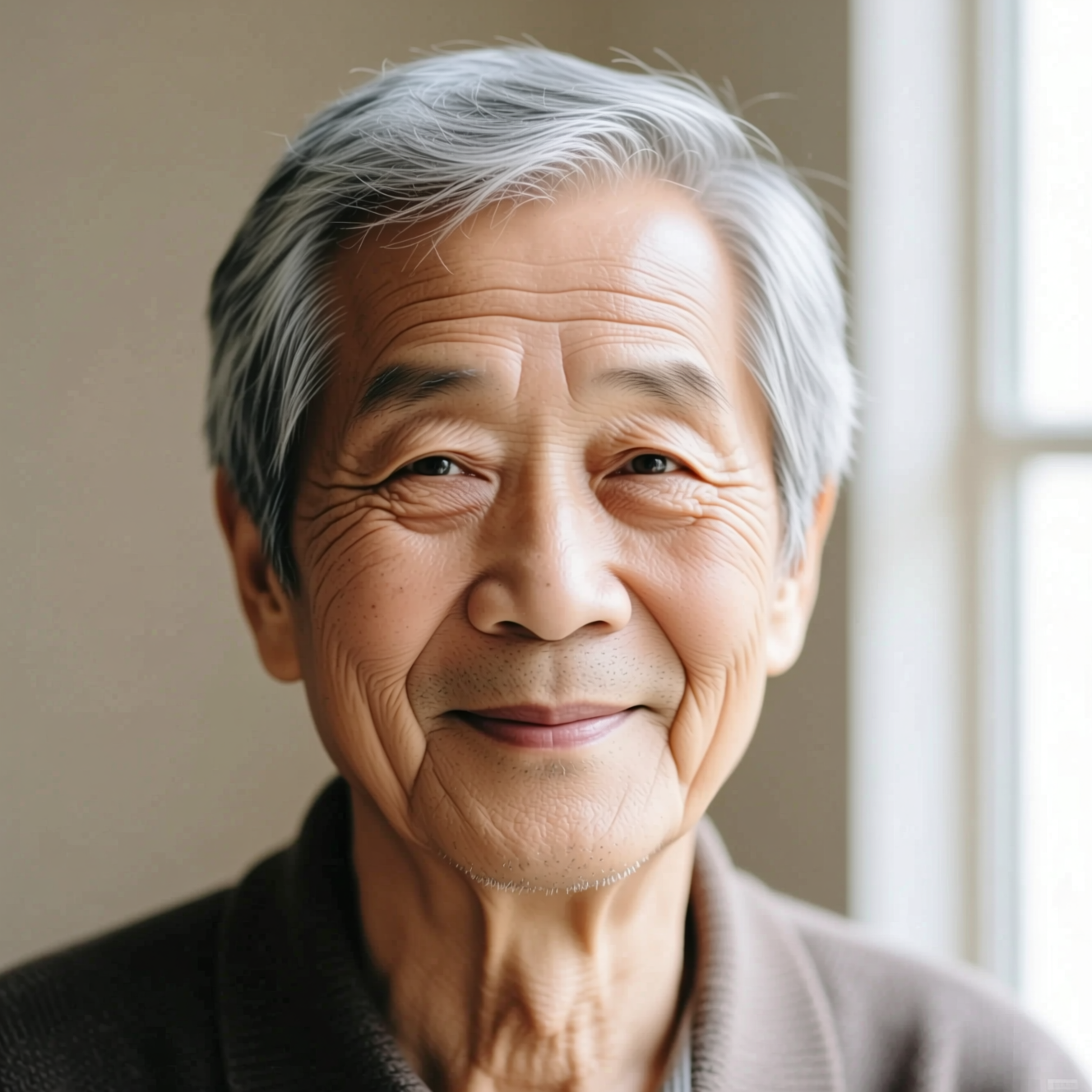
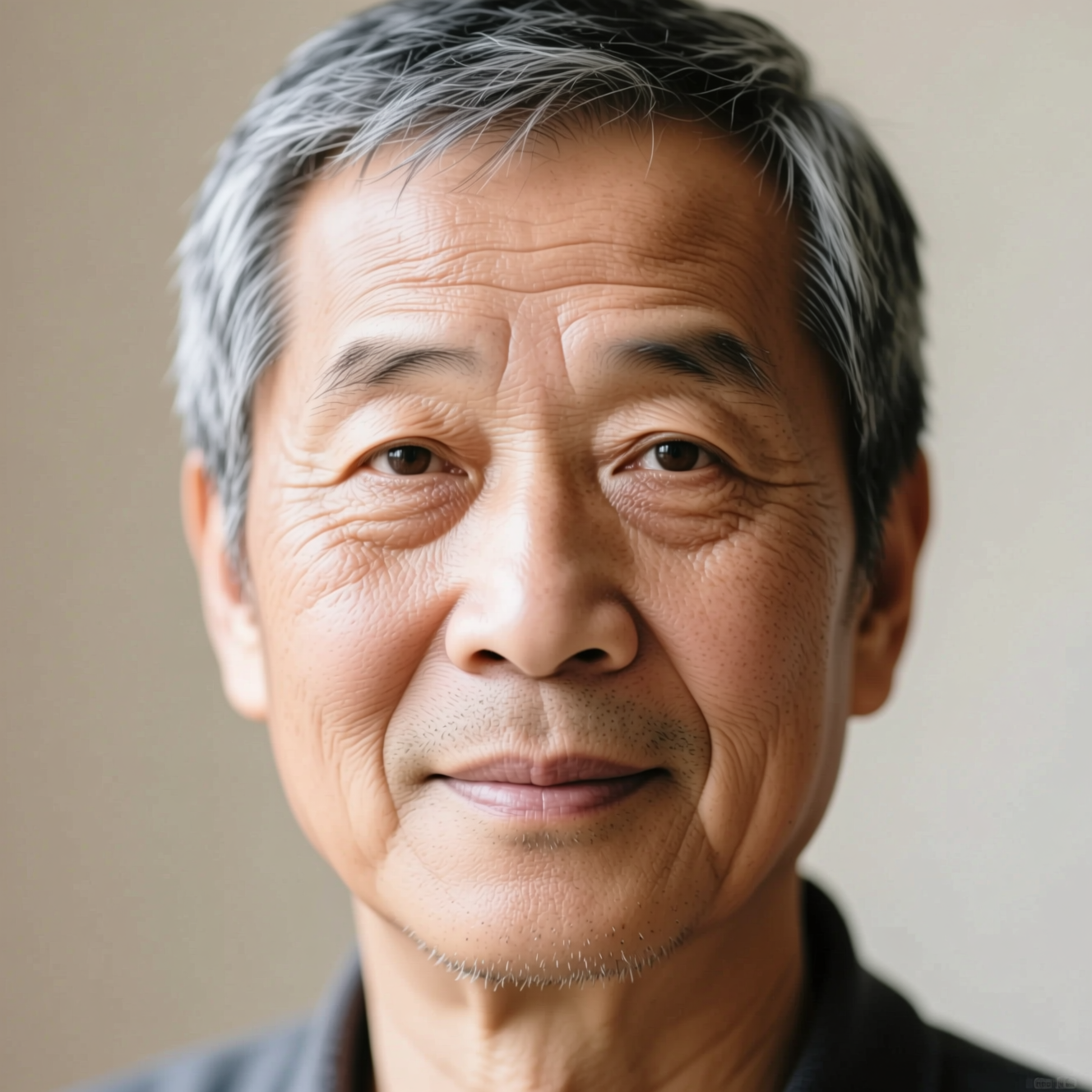
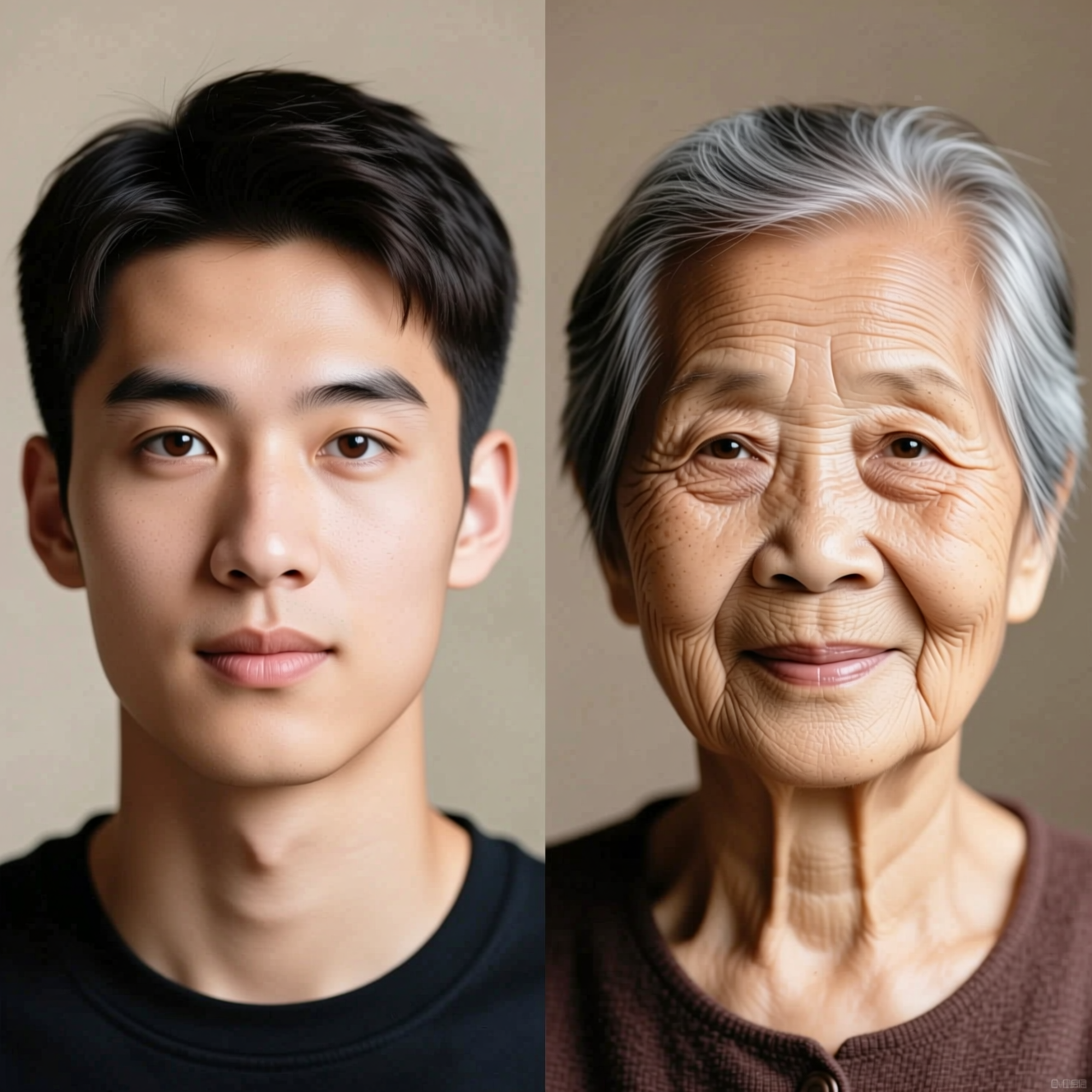
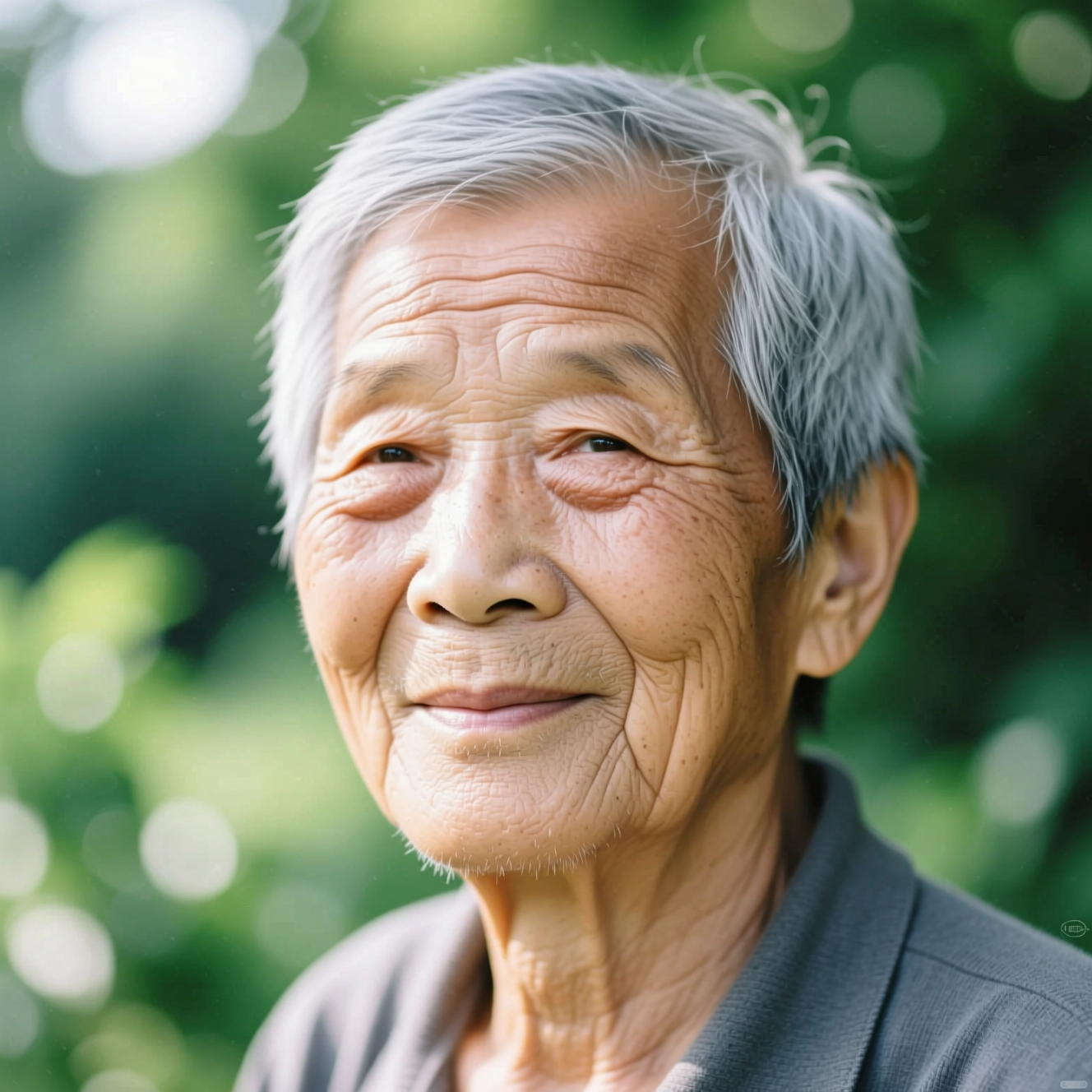
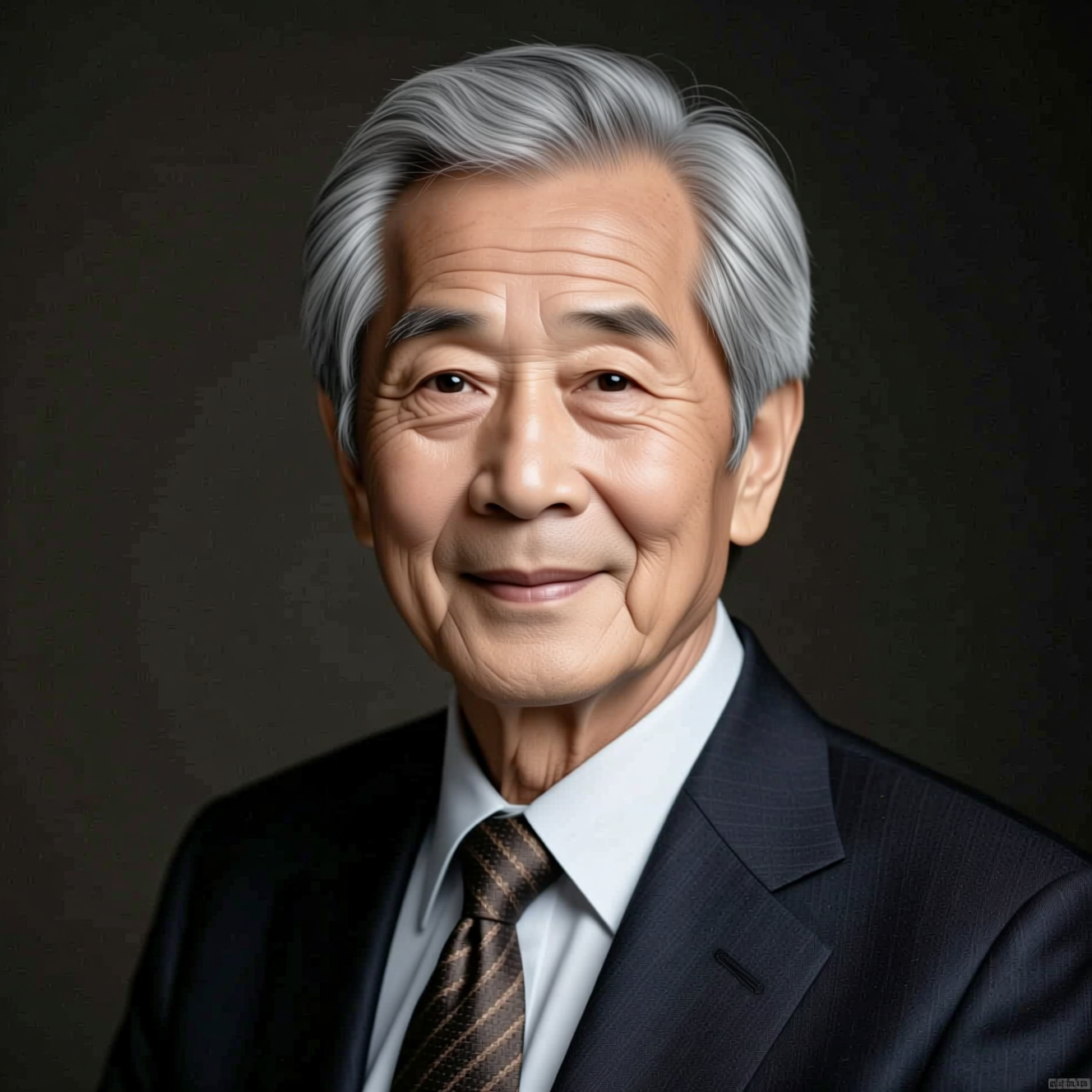
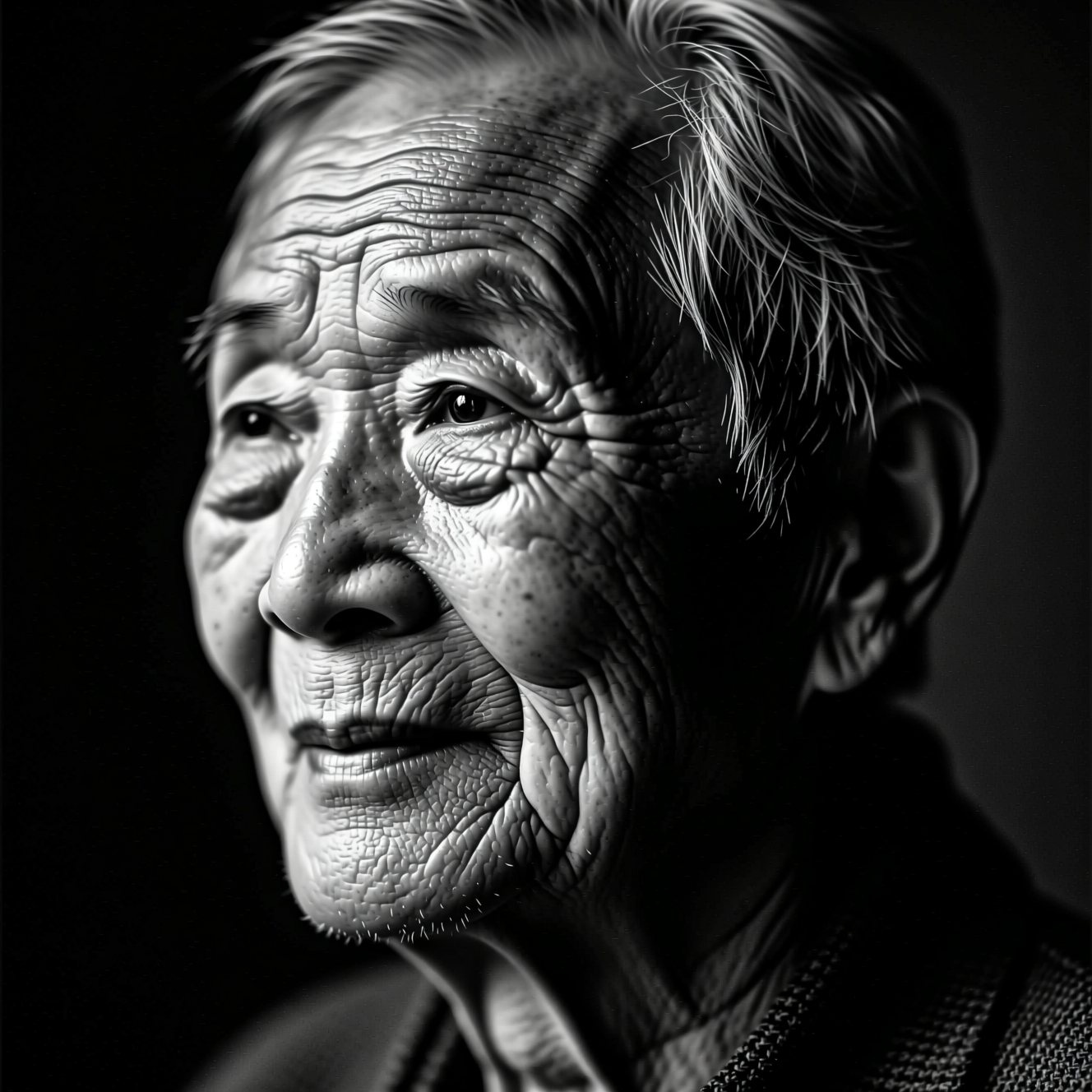
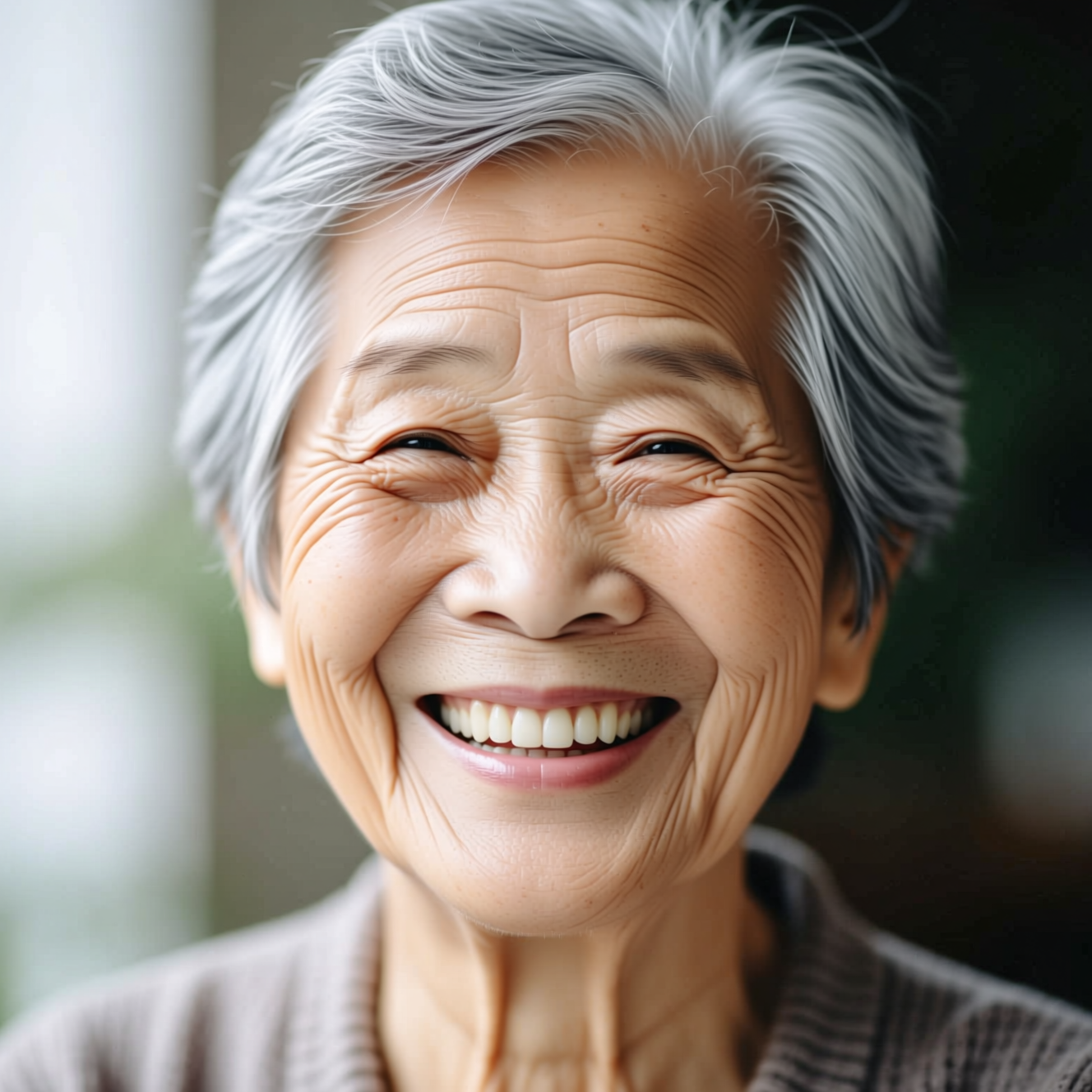
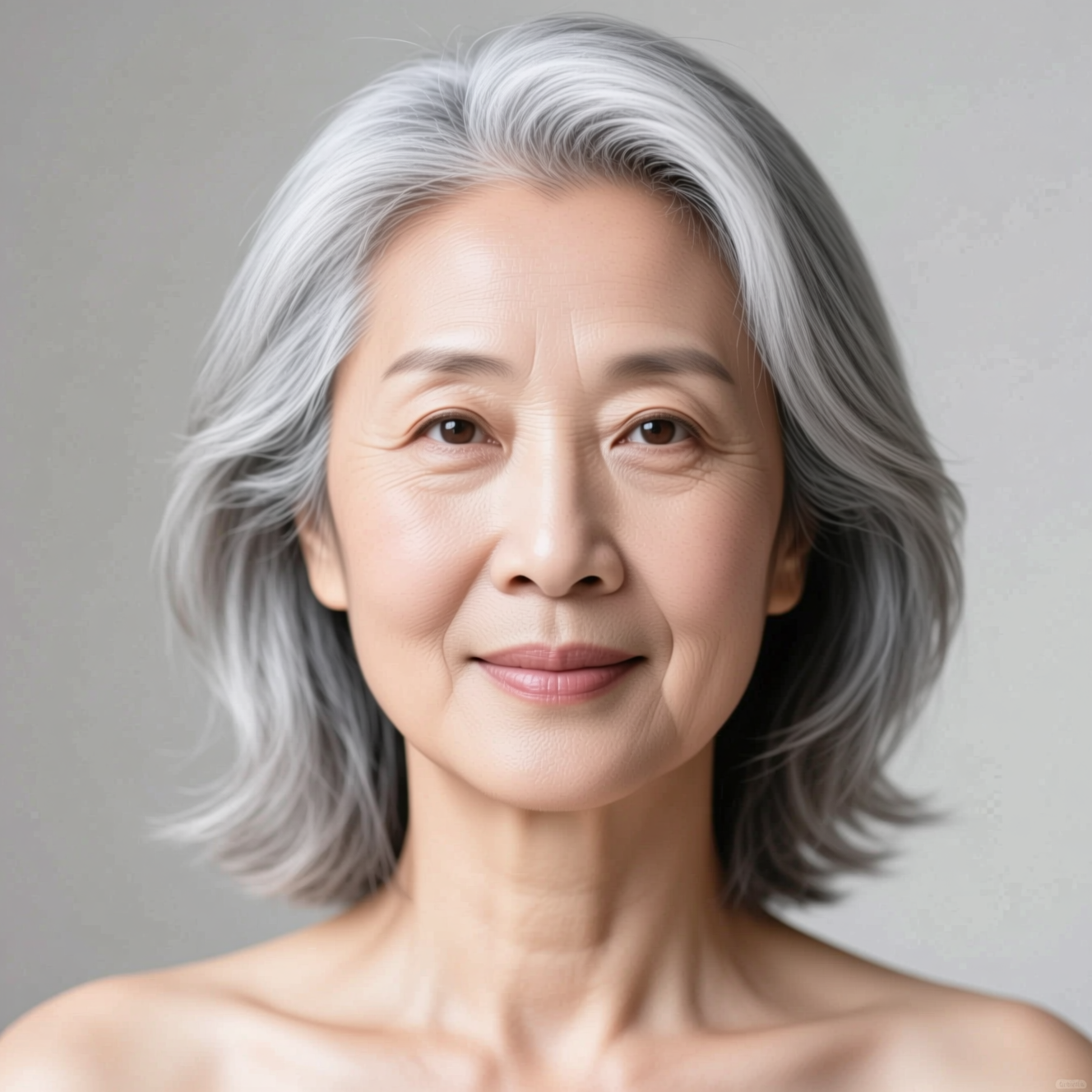
How it works
- Step 1
Upload the photo to age
One clear front-facing photo. Every example below started that way.
- Step 2
Pick the distance
Twenty years, thirty, forty, or a side-by-side that puts now and later in one frame.
- Step 3
Compare
The Now and Later template renders both in a single image with matched lighting, which is what makes the change legible.
The model behind it
Wan-2.7 Pro Image-to-image by Qwen
24 coins per image ($0.24 on the US entry plan; prices vary by country), shown before you press the button.
What people use it for
Curiosity, mostly
The honest answer. It is the reason nearly everyone runs it, and it is a perfectly good one.
A gift or a card
A grandparent at the age you knew them, or a couple shown forty years on. It lands well when the source photo is one people love.
Character and reference work
Writers and designers use it to see one face across a lifetime instead of casting three.
Restoring a sense of someone
Where the only photograph of a person is from one decade, seeing them plausibly older is sometimes worth having.
Getting a better result
- Front-facing, neutral expression, no sunglasses. Ageing is written in the areas a smile distorts.
- One face per photo. A group shot gives the model no way to know which person you mean.
- Say the target age, not "older". Forty and eighty are different requests.
- A sharp photo matters more than a flattering one. Detail in the skin is what the model has to work from.
- Run it twice. Small differences between two attempts tell you how much of the result is guesswork.
What it will not do
- It is not forensic. Nothing here is admissible, reliable for identification, or good enough to base a search on.
- It does not know your health, your habits or your family — the three things that most decide how a face ages.
- Faces of children age worst. There is far less signal to work from, and the results drift toward a generic adult.
- It will not tell you what a missing person looks like now, and it should not be used as though it could.
Frequently asked questions
- What is age progression used for?
- Curiosity mostly, and it is worth being plain that this is an entertainment tool. It is not forensic age progression and should not be used where a real identification matters.
- How far forward can it go?
- Twenty to forty years across the templates. Running the output through again pushes further, with less reliability each time.
- Does it keep my identity?
- Yes — bone structure and distinctive features are preserved deliberately. Without that, an aged photo is just a photo of a stranger.
- Can I see a before and after?
- The Now and Later template renders both halves in one image with matched lighting and framing.
- How is it priced?
- Credits, stated before each run. No free tier.
- What happens to my photo?
- Used only to produce your result, private by default, deleted after seven days.
Every model, one balance
No watermarks, full resolution, and every leading AI model on one coin balance — create right in your browser.
Get StartedRelated tools
AI Aging Filter
See yourself twenty, thirty or forty years older — realistic lines, greying hair, and a face still recognisably yours underneath.
See Yourself Younger
Twenty years off the same photograph. Upload one picture and get yourself back at twenty, at thirty, or somewhere in between — still recognisably you.
What Would Our Baby Look Like
Two photos in, one imagined child out. Upload a picture of each of you and see a child who could plausibly be yours.
What people make with Reelina
All AI tools →- AI Aging Filter
- AI Age Progression
- AI Engagement Photos
- AI Dating Photos
- AI Fashion Model Generator
- Looking for a Remini Alternative?
- Looking for a Higgsfield Alternative?
- Looking for a Sora Alternative?
- Looking for an LTX Studio Alternative?
- Looking for a Dreamina Alternative?
- Looking for a Lensa Alternative?
- AI Dance Video Generator
- AI Image to Video
- Text to Video AI
- AI Video Generator
- AI Headshot Generator
- AI Portrait Generator
- AI Hairstyle Changer
- AI Tattoo Generator
- AI Outfit Changer
- AI Maternity Photoshoot
- AI Christmas Card Generator
- AI Wedding Photo Generator
- AI Couple Photo Generator
- AI Car Photo Editor
- See Yourself Younger
- See Yourself as a Baby
- What Would Our Baby Look Like
- Caricature Maker
- Anime Filter
- Real Estate Photo Editing
- Cartoon Yourself
- Pop Art Generator
- Action Figure Generator
- Magazine Cover Generator
- AI Product Photo Generator
- AI Photo Restoration
- Colorize Black and White Photos
- Looking for a Kling AI Alternative?
- Looking for a Veo 3 Alternative?
- Looking for a PixVerse Alternative?
- Looking for a Hailuo AI Alternative?
- AI Birthday Photo
- AI Pet Portrait
- Royal Portrait Generator
- AI Selfie Generator